


The New Year is nearly upon us, and more clients have been asking for fitness tips for skiing holiday trips when they leave Bristol for the slopes.
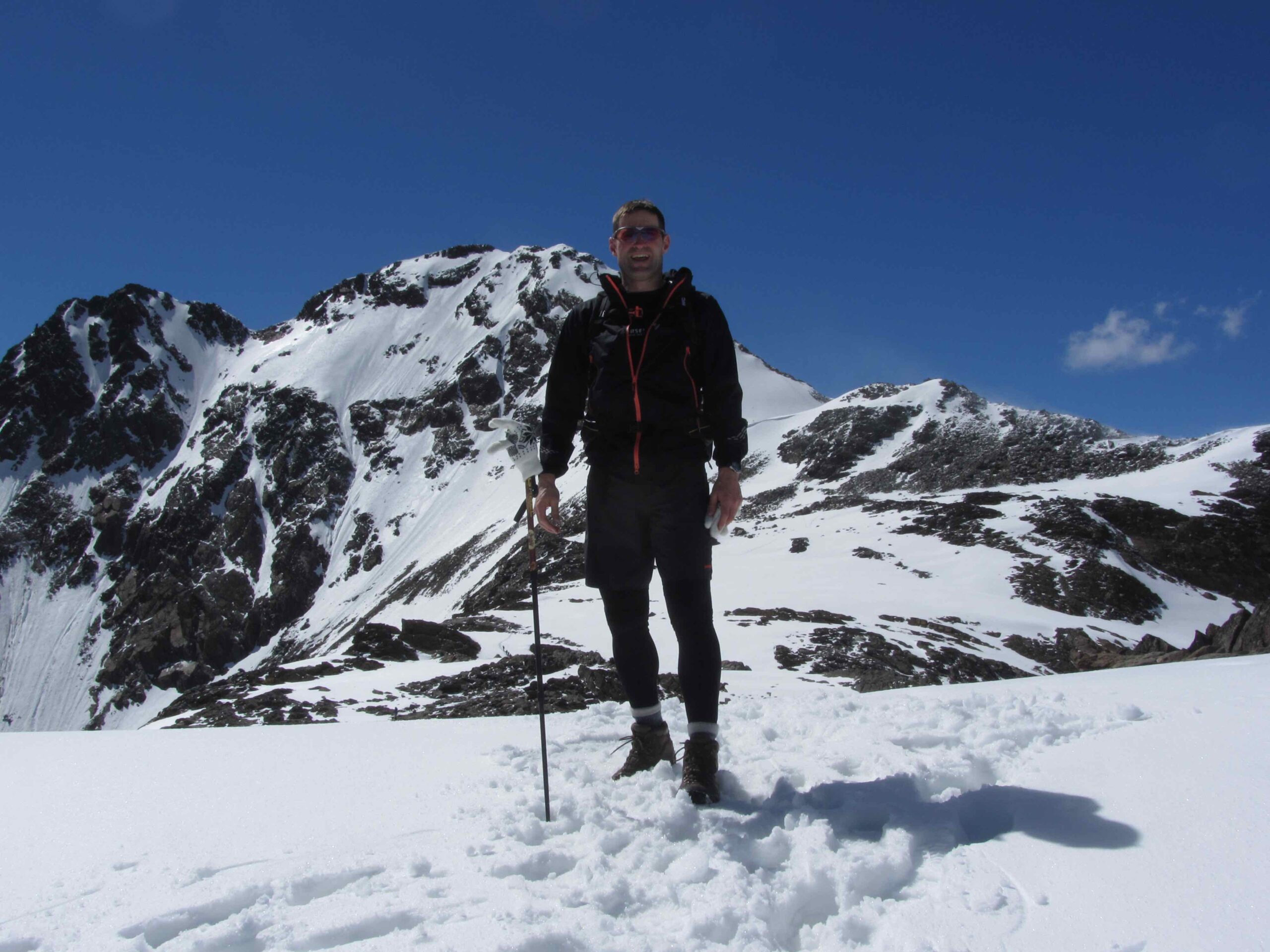
Many of our team, including resident osteopath Alex Prince, pictured above on a recent mountaineering and skiing break, enjoy downtime on the slopes.
January and February are the most popular months for skiing holidays, with the best snow conditions, peak times and prices, as well as packed resorts.
January has fresh powder, great conditions overall and fewer crowds than February. More people are opting for January for their annual skiing holiday.
The busiest and most expensive time for a skiing holiday is February, with a reliable snow level but increased demand on the slopes during mid-month half-term school holidays.
It is vital to get your body ready for a trip away on the slopes, and we have some essential fitness tips for your next skiing holiday from our Bristol personal trainers.
We all want to have a wonderful holiday without any major issues or injuries.
To help your holiday go smoothly, try the following suggestions from us:
Prepare early
It’s not enough to introduce a longer workout session a week or two before you take a skiing holiday.
Equally, it is rarely necessary to add on hours of extra training in the Autumn months before you go on the slopes.
If you are a client working with one of our personal trainers weekly and have a good baseline of fitness, preparing for a skiing holiday should be straightforward. Prepare for the specific activities so your body is ready.
We recommend, for example, exercises involving cardio and the use of cross trainers to build up stamina for the slopes. Cycling is also a great preparation.
Our personal trainers can incorporate bespoke exercises to increase your endurance, stamina and flexibility before you go on a skiing holiday.
Fatigue-related injuries are the largest cause of incidents on skiing holidays, with accidents on the slopes after 3 pm being the most dangerous time.
Being prepared, fit, flexible and mindful of fatigue is critical on the slopes.
Existing injury
If you have an existing injury, particularly a thigh, ankle or knee issue, we advise clients to get effective treatment before they go on a skiing holiday.
Our personal trainers provide thorough assessments for clients, and this can be vital when it comes to reaching the required level of fitness before taking a skiing holiday.
Appropriate gear
Make sure you have the right equipment for your skiing holiday activities.
This means utilising the kit which is most appropriate for the slopes or mountains. Get resort experts to help you with any equipment set-up.
Hiring skiing equipment means getting the right kit for you, and taking relevant advice before you get on the snow. If you have your own kit, even better.
Listen to your body
When on a skiing holiday, your body will often give you signals to listen to.
Dehydration, for example, can be a major cause of problems and injuries on the slopes. Staying hydrated is critical to help reduce the risk of injuries.
It is also common for people to sustain skiing-related injuries halfway through their holiday. This is due to the increase in body fatigue from hours on the slopes.
If you have a vulnerable area, give it extra attention and due care when skiing.
To work with one of our team members before your skiing holiday in 2026, please email paul@brcjobs.com.